Team skills are the missing link in most L&D strategies
Team skills, the short definition and why they are missing
Team skills are the visible behaviors that let a group do real work together, for example short briefs, closed loop communication, role clarity, quick shared plans, and tight debriefs. Most L&D invests in individuals, courses, and knowledge checks, but the bottleneck in daily work is how people coordinate, not what any one person knows. When organizations train and practice teamwork processes, performance improves across cognitive outcomes, affective outcomes, teamwork quality, and hard results. That is the consistent finding across meta analyses of team training.
A simple way to see the gap, think of your last incident or launch. People knew their craft, yet the team stumbled on handoffs, unclear goals, and slow corrections. Those are Team skills problems.
The research case for Team skills, explained simply
Team training works. Reviews that pool dozens of controlled studies show that structured teamwork training improves how teams think and interact, and it also lifts measurable performance. Effects are larger when the content matches the team’s workflow, and when you teach more than one teamwork dimension, for example planning plus communication.
Debriefs create the learning loop. After-action reviews, also called debriefs, raise performance in the twenty percent range when done properly, meaning you compare plan to results, use real data, discuss causes, and end with one specific change and an owner. A 2021 meta analysis reports a large overall effect size for debriefs across 61 studies.
Psychological safety enables correction. Teams that believe it is safe to speak up show better task performance and more helping behaviors, even after controlling for related factors like leader relations. This is the backbone for mutual monitoring and quick course corrections.
Shared mental models speed coordination. When teams build a shared understanding of goals, roles, constraints, and the plan, they coordinate faster with fewer errors. A landmark meta analysis across 23 studies shows clear links between shared mental models, team processes, and results.
Closed loop communication reduces misses. The sender states the task, the receiver repeats back, the sender confirms or corrects, a simple loop that lowers error rates in safety critical work and improves task completion under pressure.
Team skills in practice, a concrete example from a weekly meeting
Picture a cross functional launch check-in. Before, people dive right into updates, then discover late conflicts. After, the team adds a 90 second brief at the top. The PM states goal, key risks, owners, first actions, and constraints. The team practices closed loop confirmation on high impact items, for example “Ad segment A pauses Tuesday at noon, agreed,” the owner repeats and the PM confirms. The meeting ends with a two minute debrief, plan versus outcome, a single behavior to change next time, and a named owner. Over four weeks, the team tracks a tiny scorecard, briefs per meeting, confirmation rate on critical items, handoff accuracy, and whether a debrief happened. Cycle time and rework start to drop. This is exactly how the research says habits transfer, practice, feedback, then repetition in real work.
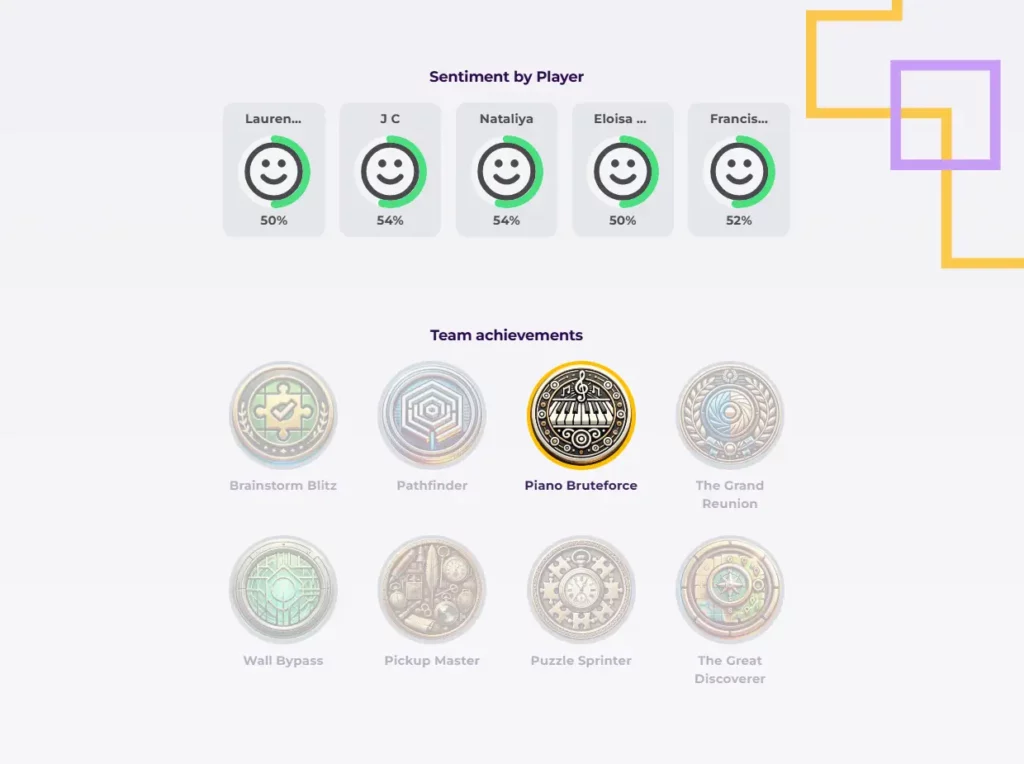
If you want a safe, high pressure exercise that reveals these habits quickly, run a facilitated round of Keep Talking and Nobody Explodes or Spirit Speak, then debrief. These formats separate content knowledge from teamwork, so people can focus on how they coordinate.
How to build Team skills into L&D, a practical path with details
1) Start from moments, not modules. Identify three recurring moments where collaboration breaks, for example handoffs, incident response, quarterly planning. Write a one-sentence outcome for each moment, for example “handoffs complete with zero rework.” This anchors your design in work, not vague soft skills. For a quick primer on choosing formats, compare scenarios and games for soft skills training.
2) Name the behaviors you want to see. Pick three to five Team skills that change outcomes in those moments. Define them as observable actions, for example “briefs always cover goal, risks, roles, first actions, constraints, in under two minutes,” or “critical instructions always use closed loop.” These are the kinds of process behaviors that meta analyses show are learnable and useful.
3) Design short practice loops. Use 40 to 60 minute sessions with a clear team task and time pressure, then add a structured debrief. Keep the debrief simple, plan versus result, what helped or hurt, what we will change next time, who owns it. This format is what produces the effect in the debrief literature.
4) Make practice feel real, yet safe. Use scenarios when the goal is language and judgment, for example tough conversations with clients. Use game based sessions when the goal is coordination under pressure, for example quick planning and information exchange. Our guide explains how to choose.
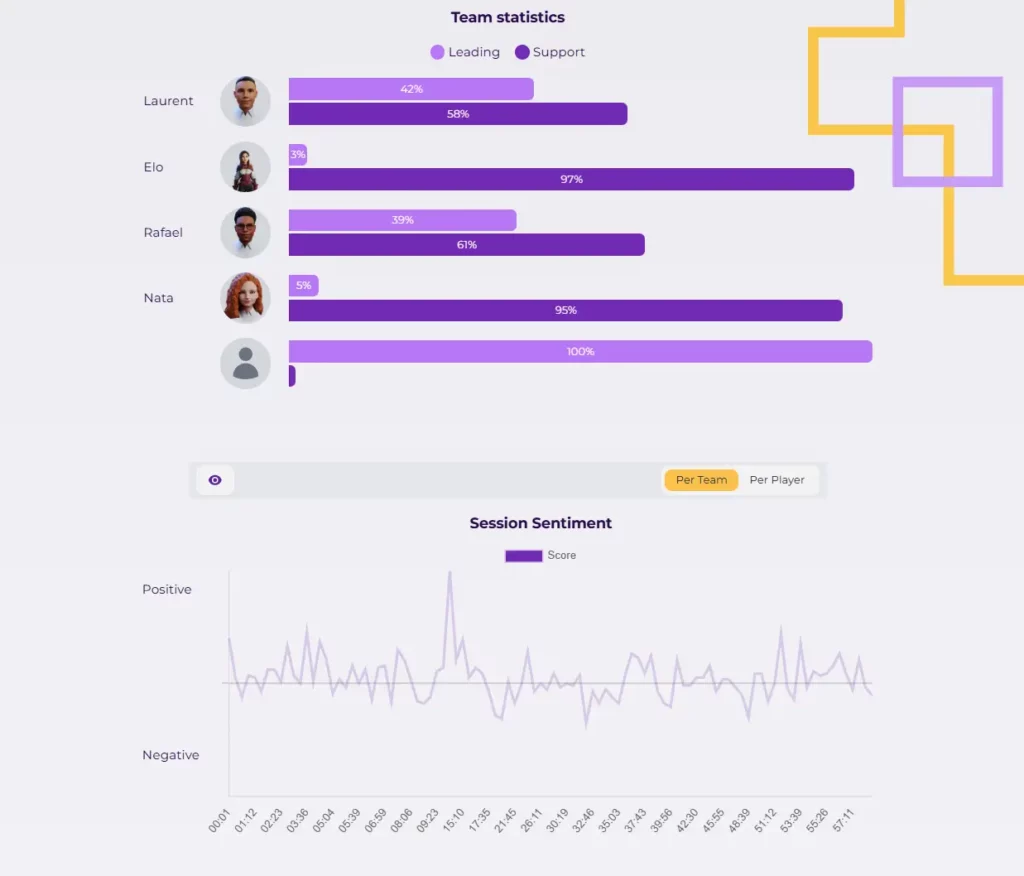
5) Measure behaviors, then link to outcomes. Track a few process indicators per session or week, brief rate, confirmation rate on critical items, handoff accuracy, and whether you ended with a documented change. Link those to cycle time, error rates, rework, or incident recovery time. Reviews show that team reviews and simulations move both teamwork and performance, so connect the dots in your dashboard.
6) Reinforce inside existing meetings. Add the 90 second brief and the two minute debrief to meetings you already run. Normalizing small drills inside real work is how habits stick. For a simple template on debriefs, use our step by step guide.
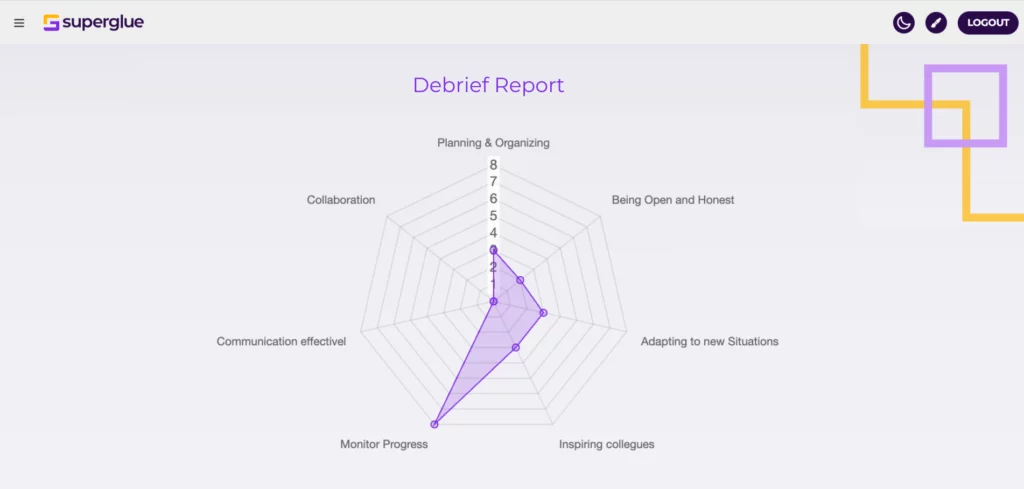
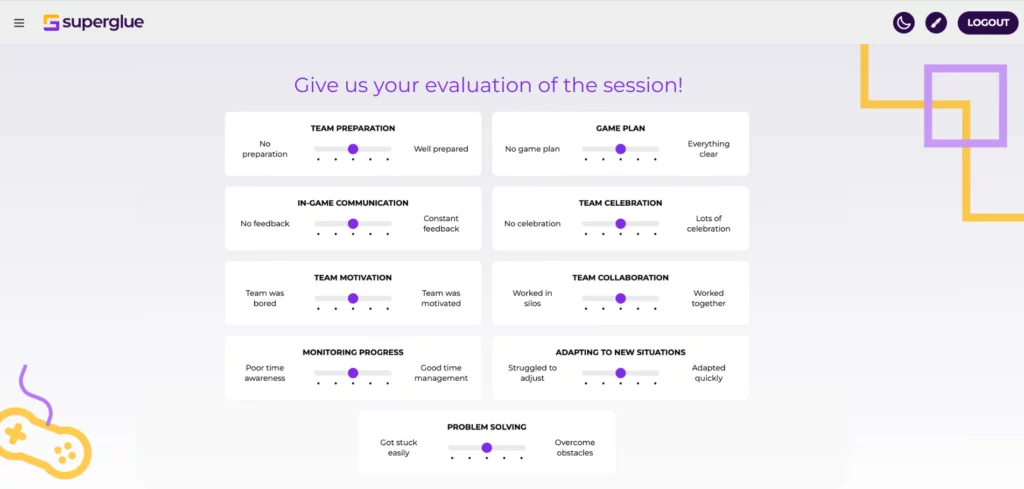
Team skills you can prioritize, with why each matters
Briefing and shared planning. Fast briefs create a shared mental model, the team aligns on goal, risks, roles, first actions, and constraints, which reduces backtracking and improves speed. Evidence links shared mental models with better processes and results across many contexts.
Closed loop communication. The three step loop prevents dropped balls. This has strong support in healthcare and safety guidance, and it adapts well to product and operations work, for example deploy steps, approvals, customer commitments.
Mutual monitoring and help. Teams that watch load and ask for checks fix problems earlier. Psychological safety is the enabling condition, so include a light check-in rule, for example “say what you are unsure about,” then praise the behavior. The meta analysis shows safety predicts both performance and helping.
Short debriefs. End work with a quick AAR. The performance lift is well replicated, and costs are low. Keep it under five minutes for routine meetings, and longer only after major events.
Measuring Team skills, an easy scoreboard with interpretation
Instead of a long rubric, track four simple signals each week and write one sentence about what you see.
- Brief rate, how many meetings or tasks began with a brief, aim for 80 percent, then listen for fewer “wait, what are we doing” moments.
- Closed loop rate, confirmations divided by critical messages, aim for near 100 percent on deployments, approvals, escalations.
- Handoff accuracy, error free handoffs divided by total handoffs, if it dips, add a checklist or a trigger phrase that forces a confirm.
- Debrief adoption, meetings that ended with a behavior change and an owner, this predicts whether learning turns into habit next week.
Team reviews and simulations are two of the methods with the strongest track record in lifting teamwork and performance, which is why these indicators pair well with them.
Common pitfalls, and how to avoid them
One time workshops. Team skills fade without weekly practice. Bake micro drills into recurring meetings, otherwise nothing changes after the event.
Debriefs without decisions. A recap is not a debrief. End with one specific behavior to change and an owner, otherwise there is no learning loop.
Only vibes, no signals. Satisfaction scores are fine, but track behaviors and business outcomes as well, this is how you justify continued investment.
Skipping safety. If people cannot raise concerns, they cannot run closed loop communication or mutual monitoring. Address the climate, even with small norms like naming uncertainties.
Internal resources to help you implement
- Training for soft skills, scenarios versus games, how to choose, a practical buyer’s guide with design variables and measurement tips.
- What is the real value of team building in L&D programs, when it helps and how to make it stick.
- How to run a team building debrief that actually changes behavior, step by step.
- Explore our game library, hosted, browser based sessions with built in debriefs and reports.
- Game pages for pressure practice, Keep Talking and Nobody Explodes and Spirit Speak.
External evidence for your stakeholders
- Team training meta analyses, consistent improvements in teamwork and performance, with design notes on what makes training effective.
- Debrief effectiveness, large effects across settings, with clear guidance on structure and facilitation.
- Psychological safety, meta analytic links to performance and helping, beyond other factors.
- Shared mental models, meta analytic links to coordination quality and results.
- Closed loop communication, practical guidance and evidence from safety critical domains.
A 30 day start, with outcomes you can show
Week 1, run one 45 minute pressure session, for example Spirit Speak or Keep Talking, then a five minute debrief with a single behavior change and owner. Week 2, add the 90 second brief to two standing meetings. Week 3, require closed loop confirmations for all high impact messages and log misses. Week 4, repeat the pressure session, compare your four indicators, share the story in one slide, outcome trend plus two quotes from the team. If you want a ready to run format with facilitation and a simple report you can re share, book a Superglue session.