5 virtual team-building activities to kickstart your year

The first week back in January is when teams reset habits, rebuild momentum, and get back into a shared rhythm. Virtual team building activities help with that because they create quick connection during work hours, without forcing small talk or adding extra meetings.
If you want a simple plan, use the five activities below. They cover energy, trust, communication, and problem solving, and they work for remote and hybrid teams.
Bonus, National Trivia Day happens every year on January 4, which is a great excuse to start with something light.
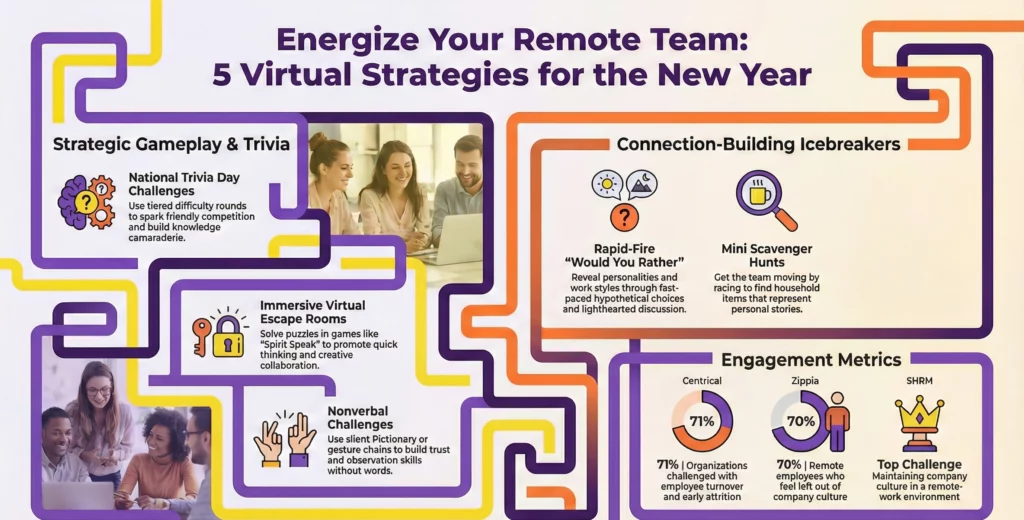
Quick picker, choose the right activity in 10 seconds
Pick based on your goal and how much time you have.
If you have 10 minutes
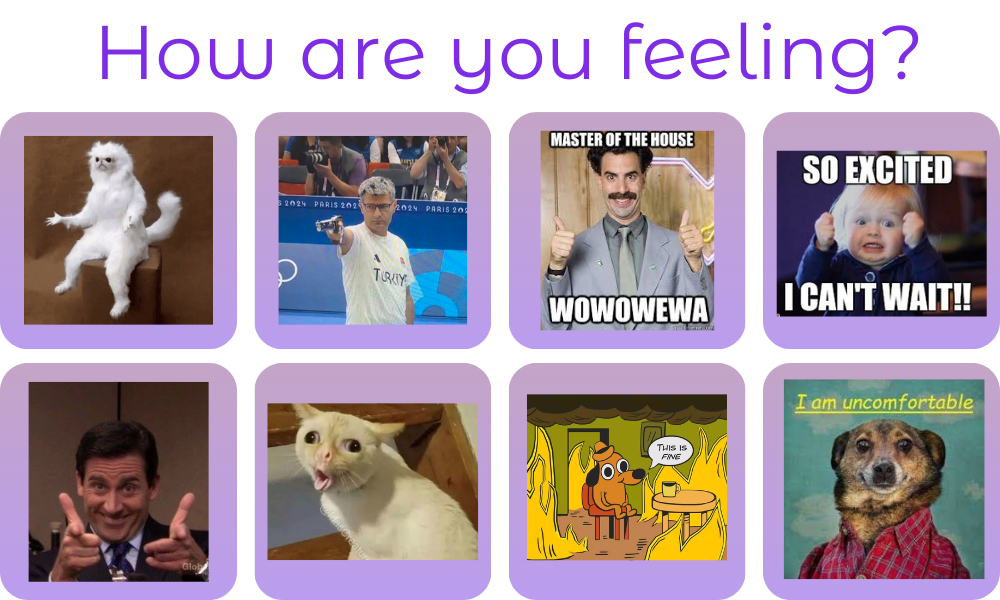
- Emoji or meme check in
- Rapid fire Would You Rather
- Micro trivia (5 questions max)
If you have 30 to 45 minutes
- Quick trivia challenge with teams
- Mini scavenger hunt
If you want a stronger team outcome
- Spirit Speak plus a short debrief
- Nonverbal challenge plus a “what we learned” recap
1. Quick trivia challenges (fast energy, low prep)
Trivia works because it is structured, time boxed, and easy for everyone to join. Keep it moving, keep it friendly, and aim for laughter, not perfection.
How it works (30 minutes):
- Split into teams of 3 to 5
- Run 3 rounds (easy, medium, hard), 6 questions per round
- Give 20 to 30 seconds per question, then reveal answers fast
- End with 1 playful tie breaker question
Question examples:
Easy:
- What planet is known as the Red Planet (Mars)
- Which animal is the largest mammal (blue whale)
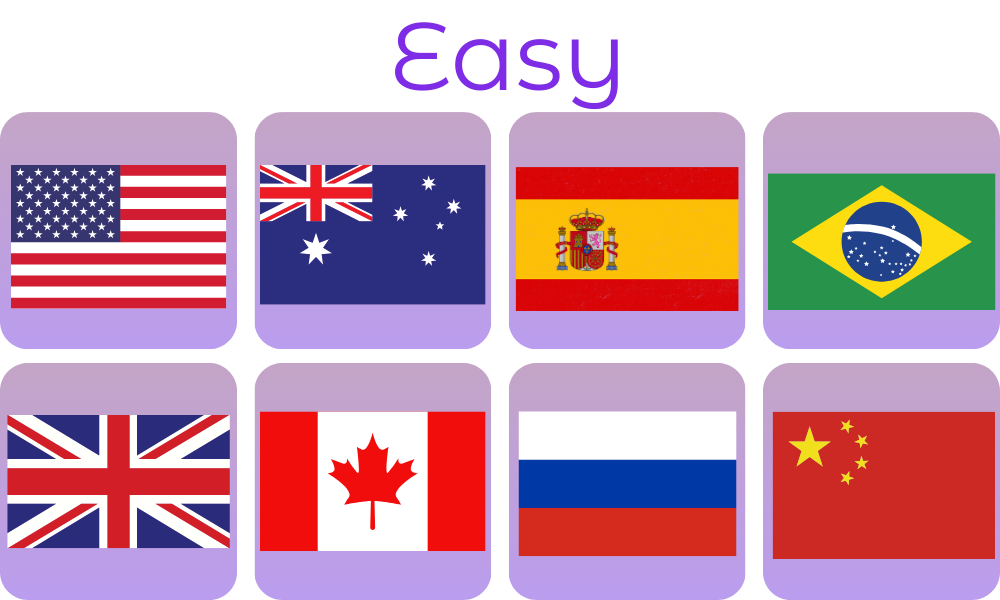
Medium:
- What is the chemical symbol for gold? (Answer: Au)
- Who wrote Pride and Prejudice? (Answer: Jane Austen)
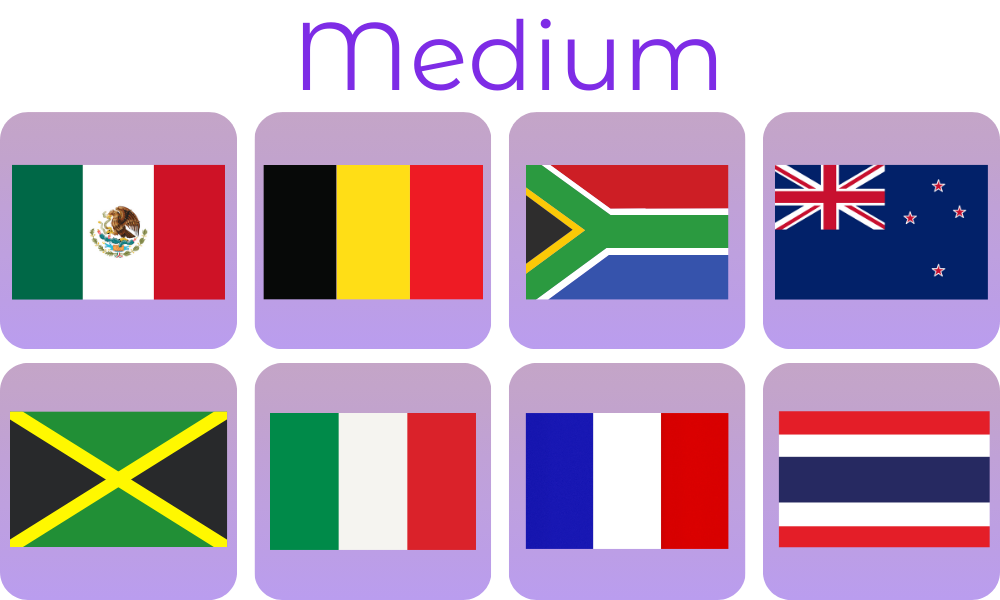
Hard:
- Which U.S. state has the most lighthouses? (Answer: Michigan)
- What year was the Eiffel Tower completed? (Answer: 1889)
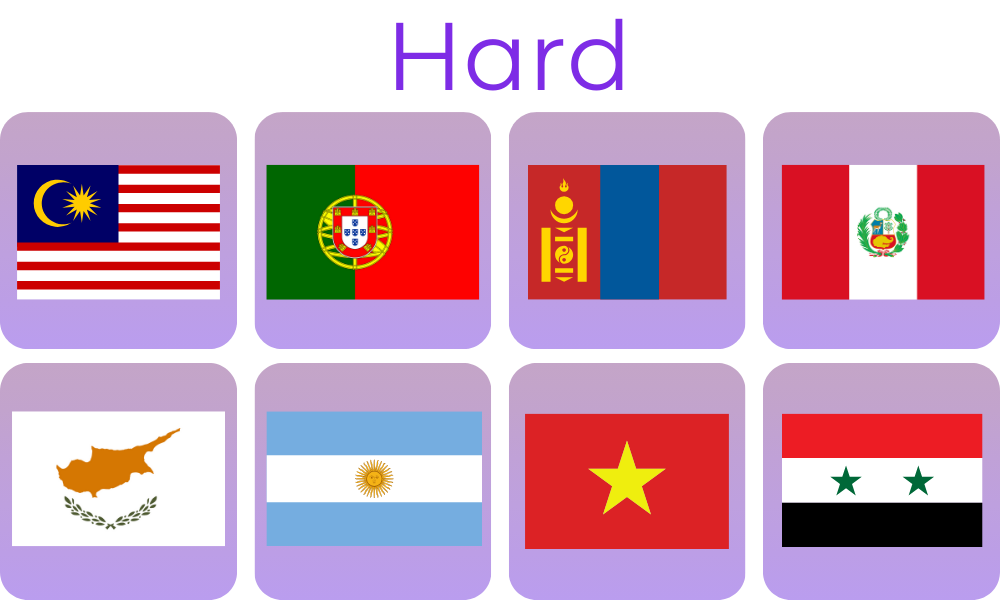
Pro Tips:
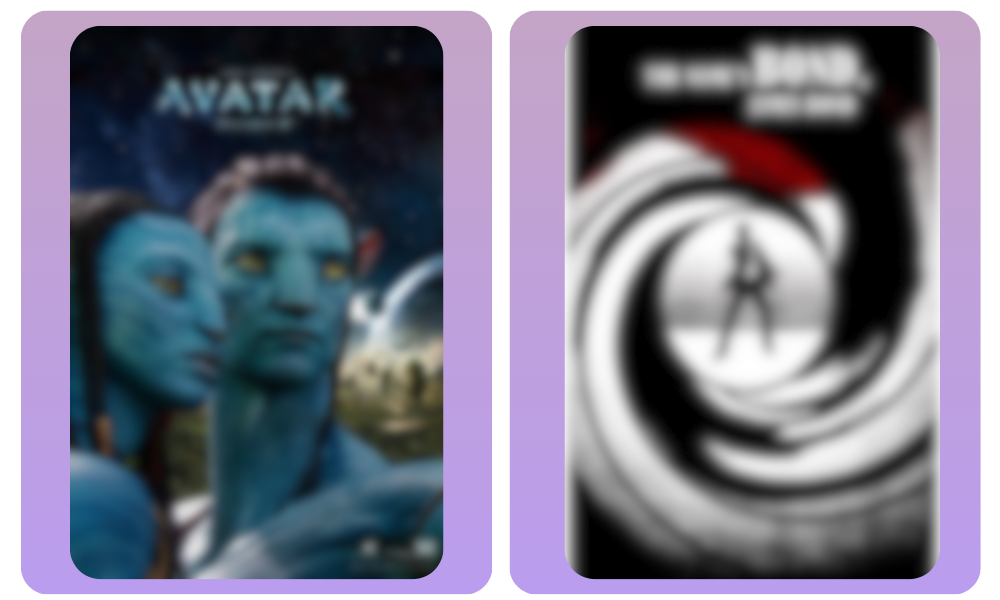
- Use slides or visuals to show questions, logos, or related images for context. For example, display a blurred movie poster and ask participants to identify the film.
- Incorporate sound clips (e.g., a song snippet for music trivia) to make the activity dynamic.
- Award small prizes like digital gift cards or bragging rights for an added competitive edge.
For more trivia inspiration, explore our blog: Virtual Trivia: 9 Trivia Games and 1,000+ Trivia Questions for Remote Team Fun.
Make it feel fresh (instead of the usual trivia night)
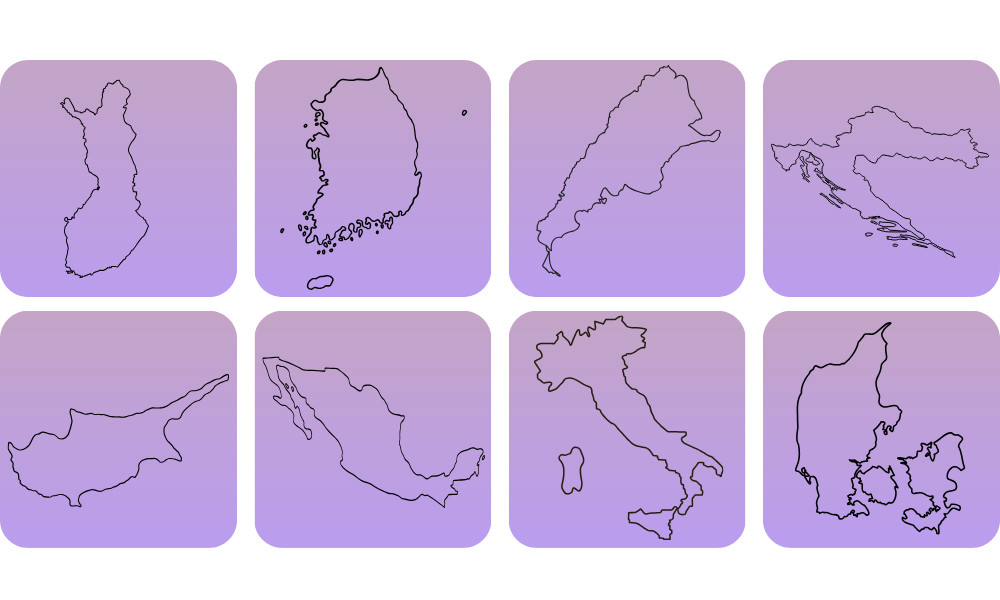
- Picture round, blurred movie poster, brand logo zoom in, country outline
- Sound round, 3 second intro of a song, or a familiar notification sound
- Company safe round, “Which tool do we use for X”, avoid personal questions
Async version for Slack (15 minutes, no meeting needed)
- Post 5 questions in one thread
- People reply in thread, then you post answers 20 minutes later
- Give a silly prize, “Chief Trivia Officer” for the day
2. Play Superglue’s escape room Spirit Speak
Play Superglue’s escape room Spirit Speak (communication under pressure)
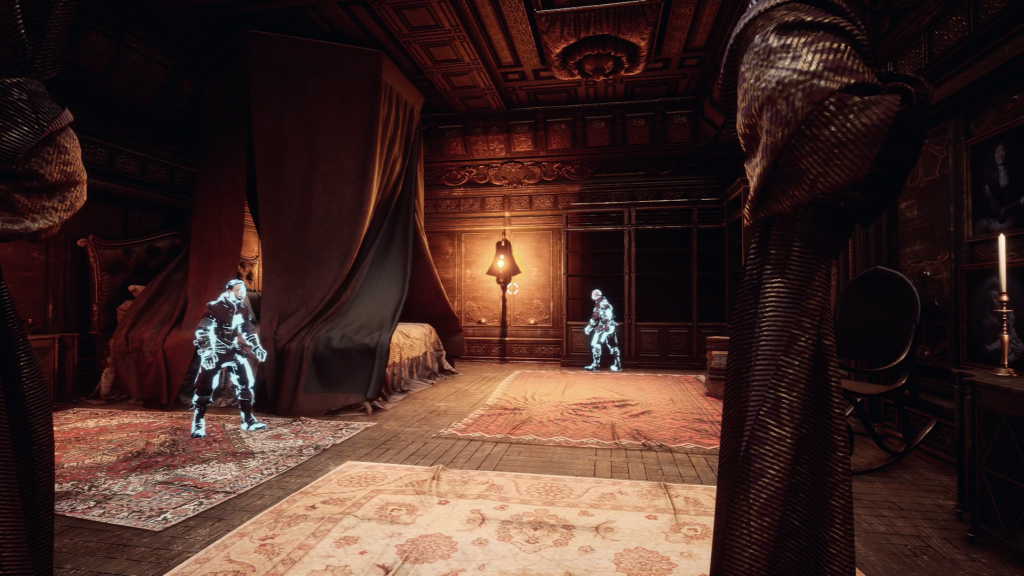
Spirit Speak is a puzzle based escape room style game where teams have to share clues, coordinate roles, and stay calm when information is scattered. It is a good pick for the first week back because it creates momentum fast, and it shows how the team communicates when time is limited.
Why choose Spirit Speak?
- Clear collaboration loop, find clues, share context, decide, act
- Natural role behavior shows up (leader, synthesizer, explorer), which makes the debrief useful
- Feels fun, but still builds practical habits for remote work
Make it more than a game (5 minute debrief prompts)
- What helped us move faster, clear call outs, summaries, role clarity
- What slowed us down, cross talk, missing context, parallel guessing
- One change we will try this week (one sentence, one owner)
This game brings excitement and a sense of accomplishment to your team during work hours.
3. Icebreakers for connection (quick, low pressure)
After time off, people often feel slightly out of sync. Icebreakers work best when they are short, optional, and easy to answer in one line.
Pick one (5 to 8 minutes)
- Emoji or meme mood check
Prompt, drop one emoji that matches your energy today, add one sentence if you want. - Two truths and a lie (work safe edition)
Use work themes like tools, habits, projects, travel for work, avoid personal topics. - Rapid fire Would You Rather
Keep it light, extra hour of sleep or one hour of uninterrupted focus. - Speed show and tell (30 seconds)
Show one object from your desk that represents your week. - Two word check in (new)
Describe your brain today in two words only. - One star review of your week (new)
Write a one star review of your week as if it were a product, short and funny.
Why icebreakers matter
- They reduce awkwardness fast
- They increase participation in the actual meeting
- They rebuild team vibe without forcing oversharing
Ideas to try:
- Emoji/meme mood check-in
Start meetings with a visual and interactive check-in. Ask each team member to drop an emoji in the chat that represents how they’re feeling or what their day has been like.- Why it works: This activity is quick and non-intrusive but provides insight into team morale. Emojis are universally understood and add a lighthearted, relatable touch to any conversation.
- Variations: Use specific categories like “What’s your energy level right now?” or “What’s the weather of your mood?” Encourage team members to elaborate briefly, such as, “🌞 because I had a great morning run!”
- **Two truths and a lie
**This classic icebreaker never gets old! Each participant shares three statements about themselves—two that are true and one that’s a lie. The group guesses which statement is false.- Why it works: It encourages personal storytelling and helps team members learn unique or surprising things about each other. It’s especially great for fostering connections in a fun, informal way.
- Pro tip: Make it work-related by asking for statements about previous projects, favorite tools, or career highlights. For example:
- “I once closed a deal worth $1M.”
- “I’ve never used Excel.”
- “I’ve attended 10+ virtual conferences this year.”
- Rapid-fire would you rather
Engage your team with a fast-paced game of hypothetical choices. Use fun or work-related scenarios like:- “Would you rather have an extra hour of sleep or an hour of uninterrupted focus?”
- “Would you rather work on a solo project or collaborate with a team?”
- Why it works: This activity reveals preferences and sparks lighthearted discussions, helping team members understand each other’s personalities and working styles.
- How to play: Share questions verbally or via slides, and have team members respond in the chat or raise hands for their choice.
- Add a twist: After everyone chooses, ask a few participants to explain their reasoning. It can lead to surprising and hilarious insights!
- Speed show and tell
Each participant has 30 seconds to share an object from their workspace that represents how they’re feeling or reflects their personality.- Why it works: This activity adds a personal touch and helps team members connect over shared experiences or interests.
- Examples:
- “This mug represents my love for coffee and how it fuels my creativity!”
- “I’m showing this plant because it reminds me to stay grounded and take care of myself.”
- Virtual rock-paper-scissors
A simple but energizing game that’s perfect for larger teams. Pair participants in breakout rooms or play as a group using the chat.- Why it works: It’s playful, competitive, and requires no preparation. A great way to boost energy levels quickly!
- Variation: Organize a mini-tournament to determine the ultimate champion.
- Themed icebreakers
Tailor icebreaker questions or activities to seasonal events or team milestones.- For January: “What’s one thing you’re looking forward to this year?” or “What’s your favorite winter activity?”
- Tie it to National Trivia Day by asking, “What’s the most random trivia fact you know?”
- Silent storytelling (nonverbal icebreaker)
Each team member uses gestures or facial expressions to act out a personal hobby or recent experience, and the group guesses what it is.- Why it works: This nonverbal activity encourages creativity, observation, and laughter, making it a refreshing break from verbal communication.
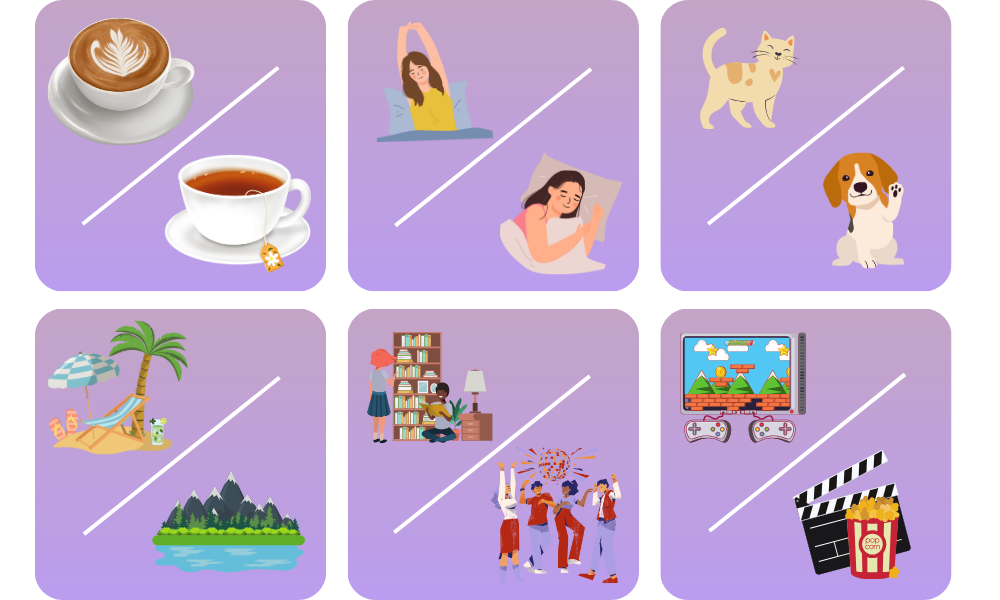
- **Rapid-fire icebreaker polls
**Use polling tools like Zoom polls, Mentimeter, or Google Forms to ask quick questions:- “Coffee or tea?”
- “Morning person or night owl?”
- “Would you rather work from a beach or a mountain cabin?”
- Why it works: It’s interactive and can reveal shared preferences or fun differences among team members.
Why icebreakers matter
- Boost team morale: They create a positive start to meetings, helping everyone feel engaged.
- Strengthen connections: Icebreakers provide opportunities for team members to share and bond.
- Set the tone: A lighthearted activity can establish an atmosphere of creativity and collaboration for the rest of the day.
For more icebreaker ideas, visit 70+ Lightning-Fast Icebreakers for Remote Teams.
4. Nonverbal team building (trust and clarity without talking)
Nonverbal activities are great for remote teams because they reveal how well people give signals, interpret cues, and stay patient when information is incomplete.
Activity suggestions:
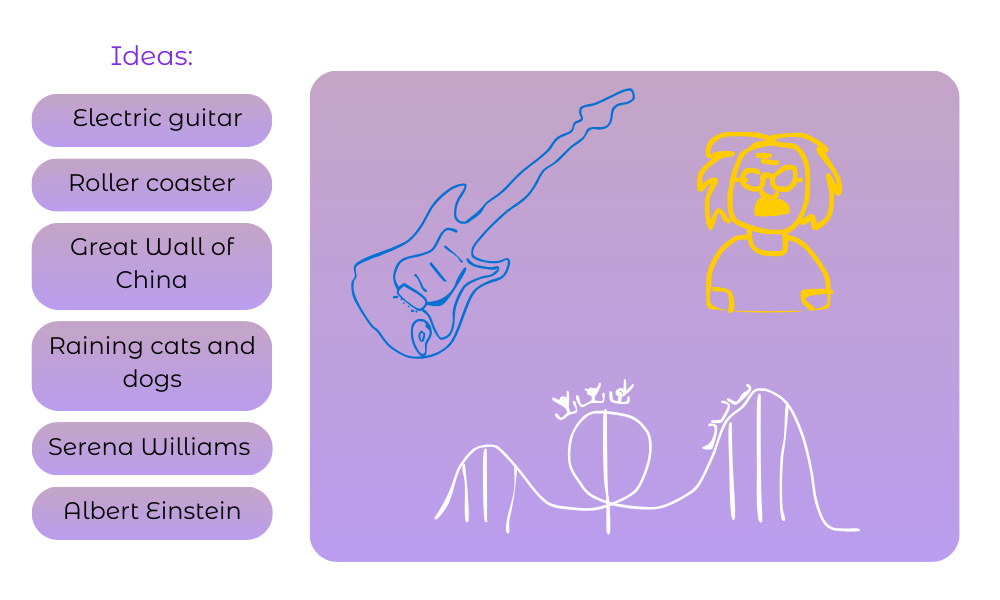
- Back-to-back drawing: One person describes a simple shape or image using only gestures or taps, while the other draws it based on cues.
- Silent pictionary: Use a virtual whiteboard tool like Zoom or Miro for participants to draw clues while others guess without any verbal explanation.
- Gesture chain: One person starts a gesture, and others pass it along, adding their twist to it. This activity encourages creativity and observation.
- Building blocks challenge: Teams construct a structure (like a tower or bridge) without talking, using only hand gestures to coordinate.
Debrief prompt (2 minutes)
What helped, what confused us, what would we change in how we give instructions this week.
For more nonverbal activities, check out our blog: Nonverbal Team-Building Activities for Stronger Collaboration and Trust.
5. Mini scavenger hunt (movement, creativity, fast bonding)
This is the easiest high energy option because people stand up, show something on camera, and learn small details about each other without a deep conversation.
- How it works:
- Prepare a list of common household items or themes (e.g., “Find something blue,” “A book you love,” or “An item that sparks joy”).
- Set a timer for 5–10 minutes, and have participants race to find and share their items on camera.
- Twist for extra fun: Add a storytelling element where participants explain the significance of the items they found. This adds a personal touch and fosters deeper connections.
Story round (makes it better)
After two prompts, pick 2 people to share a 20 second story about one item. Keep it short, keep it fun.
Goals of virtual team-building activities
What these activities actually improve:
- Connection, people speak sooner and more naturally
- Communication, clearer call outs, better listening, fewer misunderstandings
- Collaboration, faster coordination and shared context
- Momentum, the team starts the year with energy instead of dragging into week one
By integrating these activities into your workday, you can create a more cohesive and motivated team environment.
Kickstart your year with fun and connection
January is the perfect time to bring your team together, set the tone for the months ahead, and remind everyone of the value of working as a team. Whether it’s engaging trivia, immersive games like Spirit Speak, or creative nonverbal challenges, there’s something here for every team to enjoy.
Ready to plan your first activity?
Contact us to learn more about Superglue’s virtual team-building experiences or to schedule a session. Let’s make this year one to remember!